

Navigating Algorithmic Saturation Through High Fidelity Brand Provenance
As automated creative flooding depresses baseline engagement, premium brands in 2026 win by deploying generative infrastructure anchored in distinct, human visual taste.

The Diminishing Returns of Synthetic Scale
When generative engines made asset creation practically costless, content volume exploded across digital touchpoints. Yet, audience response inverted. Gartner projected that by 2026, 80% of creative talent will spend their time shaping and directing automated outputs rather than executing raw manual production, shifting organizational value toward editorial discernment. Unfiltered algorithmic output rapidly homogenizes visual identity, dragging distinct brands toward generic categorical medians. Marketing organizations across the Pacific Northwest and globally are discovering that efficiency without creative sovereignty produces negative brand equity. To preserve pricing power and affinity, teams must treat AI as a rapid prototyping engine rather than a substitute for original art direction and bespoke visual narrative.
Cinematic Provenance as Cultural Proof
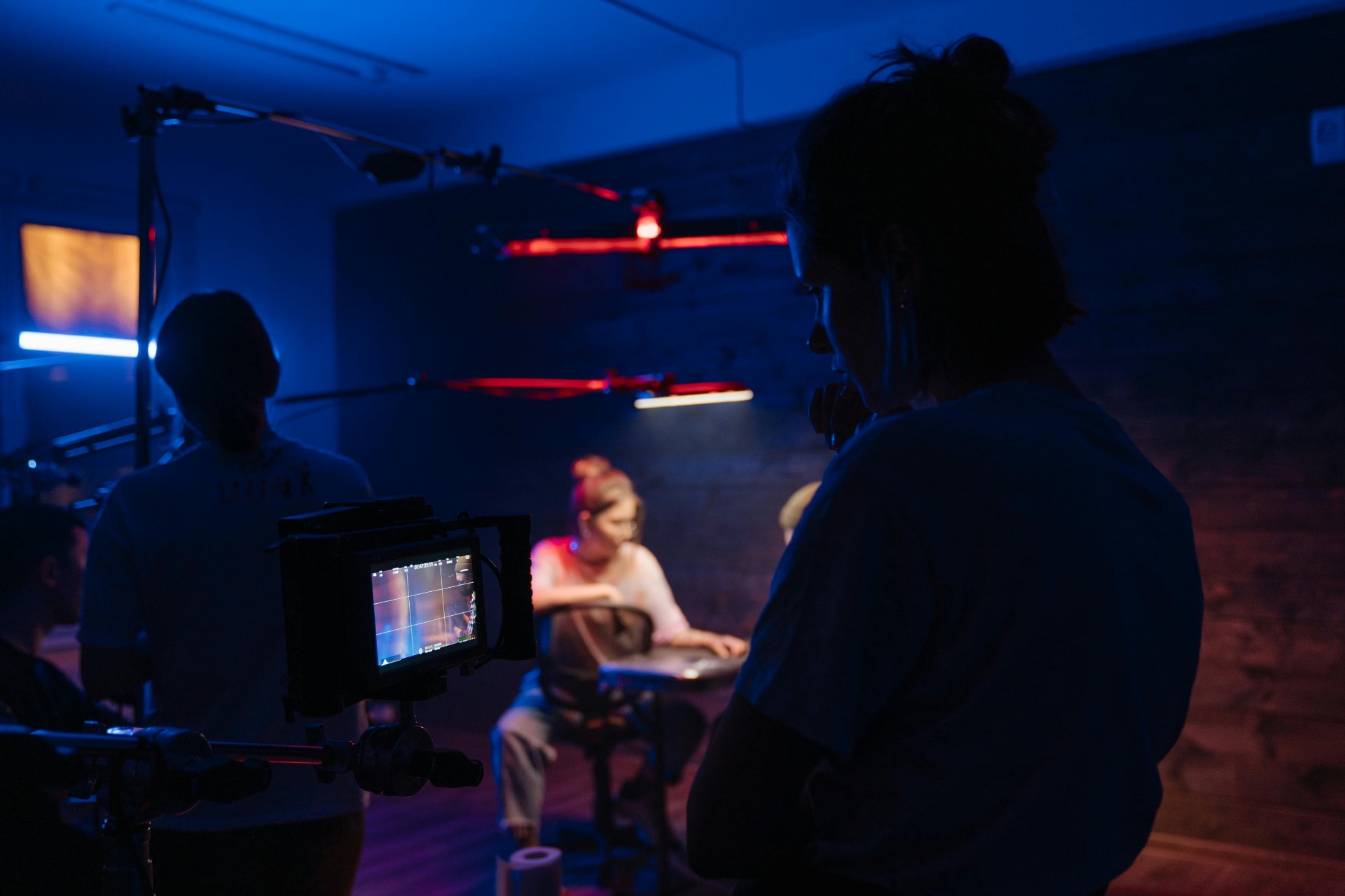
Authenticity has evolved from a sentimental buzzword into an operational audit. According to McKinsey's analysis on generative AI's economic trajectory, customer trust declines precipitously when digital customer experiences feel synthetic or ungrounded. For premium brands, the counterweight to ubiquitous algorithmic content is physical, film-grade production. Documenting real environments, capturing unscripted human nuance, and leveraging cinema-grade cinematography provide irrefutable proof of intent. When digital interfaces can simulate anything in seconds, the physical effort behind a production signals genuine institutional scale. Brand leaders are pairing local, boots-on-the-ground film production with intelligent distribution pipelines, establishing proprietary visual libraries that generative tools can remix without compromising aesthetic integrity.
Building Closed Loop Visual Ecosystems
Relying on public multimodal models inevitably leaks distinct brand codes into public training commons. Leading global enterprises are counteracting this by building closed-loop design models trained solely on proprietary brand archives. Interbrand’s Best Global Brands report highlights that market-leading organizations now safeguard enterprise value through tightly governed digital asset ecosystems that preserve typographic, sonic, and color fidelity across automated touchpoints. By fine-tuning localized generative models on decades of owned design systems and editorial film footage, creative directors retain total governance over visual outputs. The modern agency model balances technical automation with strategic restraint, ensuring that every algorithmic output reinforces the brand's unique narrative signature rather than eroding it.